Buy Crypto in Singapore and pick the right exchange
Compare the platforms Singapore residents actually use, see which hold a MAS licence, and learn the cheapest way to go from SGD to Bitcoin with PayNow or FAST.
- Facts checked 20 Oct 2026
- Licence status for every platform
- No year-old fee data
Estimate only. Your final price, spread and fees are shown by the platform before you confirm.
- MAS licences for DPT services
- 38
- Public Bitcoin ATMs since 2022
- 0
- Typical PayNow deposit fee
- S$0
- Capital gains tax on investors
- 0%
What do you want to do today?
Pick the job, not the jargon. Each guide below answers one question properly, with Singapore-specific fees, payment rails and rules.
Best crypto exchanges in Singapore
Ten platforms that accept Singapore residents, with their regulatory status, SGD payment options and entry-level fees as published on 20 October 2026.
| # | Platform | Regulatory status | SGD & payment options | Trading fees | Best for | Links |
|---|---|---|---|---|---|---|
| 01 | CEX.IOSince 2013 · Coins: 300+ | US FinCEN MSB & state licences, UK entity (FRN 1007192). Not MAS-licensed | Visa/Mastercard, Apple Pay, Google Pay, bank wire, crypto | Maker 0.15% / taker 0.25% at entry tier | Card buys and a wide coin list | |
| 02 | CoinhakoSince 2014 · Coins: 100+ (approx.) | MAS MPI (SBI Coinhako Technology) | PayNow, FAST, GrabPay, debit card | 0.6% SGD spot, 0.5% recurring buy | Local app with SGD and GrabPay | |
| 03 | Independent ReserveSince 2013 · Coins: ~30 | MAS MPI (Independent Reserve SG) | PayNow up to S$200,000, FAST, TT | 0.50% falling to 0.02% with volume | Larger buys, OTC and clear fees | |
| 04 | OKX SGSince 2017 · Coins: SG subset of OKX | MAS MPI (OKX SG) | PayNow & FAST, free and instant | ~0.08% maker / 0.10% taker | Low order-book fees | |
| 05 | CoinbaseSince 2012 · Coins: Curated SG list | MAS MPI (Coinbase Singapore) | FAST, PayNow | ~0.5% spread on simple buys; 0.6%/0.4% Advanced | Beginners and XSGD access | |
| 06 | Crypto.comSince 2016 · Coins: 400+ globally | MAS MPI (Foris DAX Asia) | FAST, debit card, Apple/Google Pay | Spread in app; tiered on Exchange | Visa card users | |
| 07 | GeminiSince 2014 · Coins: Curated SG list | MAS MPI since Sep 2026 (Gemini Digital Payments SG) | PayNow (free), FAST | 1.49% + 1% in standard app; ActiveTrader tiers from 0.60%/1.20% | Security-focused users | |
| 08 | Upbit SingaporeSince 2018 · Coins: Check app | MAS MPI (Upbit Singapore) | SGD bank transfer (higher KYC level) | ~0.2–0.25% | Active traders, institutions | |
| 09 | Moomoo SGSince 2021 · Coins: 6 majors | MAS MPI (Moomoo Financial Singapore) | Brokerage account balance | See pricing page; promos vary | Stock investors adding BTC/ETH | |
| 10 | RevolutSince 2015 · Coins: Major coins | MAS MPI (Revolut Technologies Singapore) | Revolut SGD balance | Plan-based; check in app | Everyday-money app users |
Fees are the platforms’ published entry tiers and change often. “MAS MPI” means the company holds a Major Payment Institution licence for digital payment token services; you can verify any name in the MAS Financial Institutions Directory.
How we compare crypto platforms in Singapore
Most “best exchange” lists you find in Singapore were written once and left alone. Some still recommend Binance, which stopped serving Singapore residents in 2021, or Tokenize Xchange, which ended its Singapore operations in September 2025 after MAS refused it a licence. We started from the other end: the official register, the fee schedules each company publishes, and the payment rails people in Singapore actually use.
Three things decide where a platform sits on our list. First, who supervises it and what that means for you if something goes wrong. Second, how cheaply you can get Singapore dollars in and out, because a free PayNow deposit and a S$1.50 FAST withdrawal matter more over a year than a 0.05% difference in trading fees. Third, what it is actually good at. A platform built for card buyers is not the right home for a S$200,000 OTC order, and the reverse is just as true.
CEX.IO tops our table because it covers the widest set of needs for first-time buyers: it has run since 2013, accepts Visa, Mastercard, Apple Pay and Google Pay, and operates through regulated entities in the United States, where it is registered with FinCEN and holds state money-transmitter licences, and in the United Kingdom. It is not licensed by MAS, so it serves Singapore residents from abroad, and the local protections of the Payment Services Act do not apply to your account. We say that plainly because it matters, and you should weigh it against the convenience. If a Singapore licence is your first requirement, the next six platforms on the list all hold one.
What a MAS licence does and does not do
A Major Payment Institution licence means MAS checks the company’s anti-money-laundering controls, technology risk management and, since 2024, rules such as keeping customer assets in a statutory trust, separate from the company’s own. It does not protect you from price falls, and crypto held on an exchange is not covered by deposit insurance the way a bank account is.
How to buy crypto in Singapore, step by step
Buying your first Bitcoin in Singapore takes about twenty minutes on a licensed app, and most of that is the identity check. The process is close to opening a brokerage account, and the order is the same on almost every platform.
- Choose a platform that fits your plan
Decide whether you want a local licence, the lowest fees or card payments, then open an account. Most licensed apps let you sign up with Singpass and MyInfo, which fills in your name, NRIC and address automatically.
- Pass the risk awareness assessment
Since MAS’s consumer measures took effect, licensed platforms must check that retail customers understand the risks before they trade. Expect a short quiz about volatility, scams and losing access to your funds.
- Deposit Singapore dollars
Send SGD by PayNow (scan a QR or use the reference code) or FAST from DBS, OCBC, UOB or any other participating bank. Deposits usually land in minutes. Card top-ups are faster but cost more.
- Place a small first order
Buy a test amount first. On order-book exchanges, a limit order at or near the current price keeps you clear of the wider spread on “instant buy” buttons.
- Decide where to keep it
Leave it on the platform, or withdraw to your own wallet. If you withdraw, send a small test transaction first and double-check the network. A coin sent on the wrong network is often gone for good.
The full walkthrough, with screenshots of what each stage looks like and the mistakes we see most often, is in our guide on how to buy Bitcoin in Singapore. If you only want stablecoins, the USDT and stablecoin guide covers XSGD, USDC and which network to withdraw on.
Paying in SGD: PayNow, FAST, cards and GrabPay
How you pay often matters more than where you buy. Singapore is unusual in that its real-time payment rails are free for consumers and work at almost every bank, so the cheapest route is also the quickest one on most licensed platforms. Cards are the exception: they are instant everywhere, but you pay for that.
| Method | Typical speed | Typical cost to you | Where it works |
|---|---|---|---|
| PayNow | Seconds to minutes | Free on OKX SG, Independent Reserve and Gemini | Most MAS-licensed platforms |
| FAST transfer | Minutes | Usually free; Independent Reserve charges S$2.50 under S$1,000 | Most MAS-licensed platforms |
| Debit card | Instant | Card fee plus spread, often 2–4% in total | Crypto.com, Coinhako, international exchanges |
| Local credit card | — | Not accepted by licensed platforms | Blocked under MAS consumer measures |
| GrabPay | Instant | Higher fee than bank transfer | Coinhako |
We compare deposit limits and settlement times platform by platform in buying crypto with PayNow. If you are working out whether a card is worth the convenience, the calculator on our cheapest way to buy Bitcoin page shows the real difference on S$100, S$1,000 and S$10,000.
Check today’s price in SGD
…Mid-market price. Platforms quote a little above (buy) or below (sell) this.
Bitcoin ATMs, OTC desks and P2P: what still exists
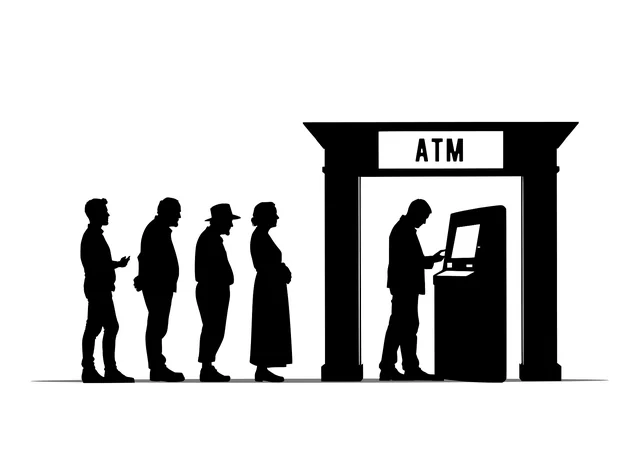
Singapore installed one of Asia’s first Bitcoin ATMs in February 2014, at a bar on Boat Quay, and by 2021 a handful of machines operated in malls. That ended in January 2022, when MAS guidelines said providers should not promote crypto to the public through physical ATMs. Operators shut their machines within days. If you search for a Bitcoin ATM near you in Jurong, Tampines or the CBD today, the honest answer is that there isn’t one, and listings that claim otherwise are out of date. Our Bitcoin ATM guide explains what to use instead.
For large amounts, the alternative is an OTC desk. Independent Reserve’s Singapore desk starts at around S$50,000 and settles within hours, and StraitsX runs a stablecoin desk from about US$100,000. Neither settles in cash: everything moves by bank transfer, which is how the licensing rules intend it. The OTC guide covers minimums, how quotes work and who serves retail, high-net-worth and institutional clients.
Peer-to-peer trading in SGD has shrunk a great deal. Binance stopped SGD P2P in 2021, Paxful closed in November 2025, and Bybit, which blocks Singapore users, was added to the MAS Investor Alert List in June 2026. The bigger risk is not the platform, though. Receiving PayNow payments from strangers can tie your bank account to scam money, and since October 2025 people linked to money-mule activity can lose access to banking and Singpass. Read our P2P guide before you trade with anyone directly.
Ready to make your first purchase?
Open an account, verify your identity and start with an amount you are comfortable losing. You can always add more later.
The rules in plain English
Singapore regulates crypto firmly but does not ban it. The full legal guide goes through every layer, but these are the points that shape what you see as a customer.
- January 2020The Payment Services Act takes effect. Digital payment token services need a MAS licence, and IRAS exempts buying and selling DPTs from GST.
- January 2022MAS guidelines stop crypto advertising in public places, on public transport, through influencers and via physical ATMs. Firms may only market on their own websites, apps and official social accounts.
- November 2023MAS announces consumer measures: risk awareness tests, no incentives to trade, no leverage for retail customers and no locally issued credit cards. They phase in from mid-2024.
- June 2025The Digital Token Service Provider regime under FSMA starts. Singapore-based firms serving only overseas clients need a licence, and MAS says it will generally not grant one.
- September 2026Gemini receives its full MPI licence, and MAS publishes draft laws for its stablecoin framework.
On tax, Singapore does not tax capital gains, so most individuals who buy and hold pay nothing on their gains. People who trade frequently or run it like a business may be taxed on profits as income. Our crypto tax guide walks through how IRAS draws that line, with a self-check. The full, current register of licensed firms is in our list of MAS-licensed crypto exchanges.
Staying safe: the scam numbers
The Singapore Police Force reported S$913.1 million lost to scams in 2025, and roughly one dollar in five of that, S$182.2 million, was lost in cryptocurrency. USDT, Ether and Bitcoin made up more than nine-tenths of the crypto losses. Most cases don’t involve exchanges being hacked. They start with a stranger on WhatsApp, Telegram or a dating app who offers to teach you trading. Never move coins to a platform someone you met online recommends, never share a screen while logged in to an exchange, and check every company against the MAS Investor Alert List. Our crypto scams guide explains how to report one through ScamShield and the police.
Crypto guides for your part of Singapore
There are no walk-in crypto counters in the heartlands, but what people need does differ from Woodlands to Changi. Pick an area for the local angle: the nearest real options, typical questions and the right online route.
Central & CBD
Raffles Place, Tanjong Pagar and Telok Ayer: offices, OTC and the first ATM.
Open area guideEverything else you need to know

How to buy Bitcoin
Step-by-step: Singpass sign-up, PayNow deposit, first order and withdrawal.
Read
Buy crypto with PayNow
Which platforms take PayNow and FAST, how fast deposits land and what they cost.
Read
Cheapest way to buy Bitcoin
All-in cost of a S$100, S$1,000 and S$10,000 buy, with a calculator.
Read
Buy USDT & stablecoins
USDT, USDC and XSGD with SGD: networks, fees and MAS stablecoin rules.
Read
Sell crypto & cash out
Cash out to your bank via FAST, avoid account freezes and understand the cash question.
Read
Recurring buys (DCA)
Set up a monthly Bitcoin plan in SGD and see how fees add up over time.
Read
Crypto wallets
Exchange custody vs app wallets vs hardware wallets, and where to buy them safely.
Read
Crypto cards
Crypto debit cards available in Singapore, FX fees and what MAS rules change.
Read
Crypto payments
Paying with stablecoins at GrabPay QR, Metro and hawker stalls, and accepting crypto as a business.
Read
Is crypto legal?
PSA, the DTSP regime, consumer rules, CBDC projects and what they mean for you.
Read
Crypto tax
No capital gains tax, but traders can be taxed. How IRAS draws the line.
Read
Crypto scams
The scam patterns behind S$182m of crypto losses in 2025 and how to report one.
ReadExchange reviews written for Singapore users
Each review covers licence status, SGD funding, the fees you actually pay and the weaknesses other sites skip.

CEX.IO review
A 2013-founded global exchange with licences in the US, UK and beyond.
Read
Coinhako review
Singapore-born, MAS-licensed and now SBI-owned. Fees and PayNow explained.
Read
Independent Reserve review
Transparent fee tiers, PayNow up to S$200,000 and an OTC desk.
Read
OKX Singapore review
Free PayNow and FAST rails, low spot fees and OKX Pay.
Read
Coinbase Singapore review
Simple vs Advanced trade costs, FAST and PayNow, and XSGD.
Read Crypto.com review
App vs Exchange pricing and the Visa card fees for Singapore users.
Read
Gemini review
Fully MAS-licensed since September 2026. Where Gemini fits and what it costs.
ReadChoosing between local and international platforms
The choice most Singapore buyers face is simple to state and harder to make: a MAS-licensed local entity, or an established international exchange serving Singapore from abroad. Licensed platforms give you the statutory trust over your assets, a regulator you can complain to, and free SGD rails through local banks. In return, they offer fewer coins, no leverage, and rules that sometimes feel like friction, such as the risk test and the ban on sign-up bonuses.
International platforms usually list more assets and accept card payments more freely, and the better ones are licensed in other demanding jurisdictions. What you give up is Singapore-specific protection. If a dispute ends up in court, it will not be a Singapore regulator in your corner. Many experienced users split the difference: they buy and hold their core position on a licensed platform and use an international one for the coins or features they cannot get locally. Whatever you choose, keep records of every purchase, use a unique password and an authenticator app, and be wary of anyone who contacts you first.
If you prefer to understand the whole picture before you commit any money, a sensible reading order is the legal guide, then PayNow funding, then the review of whichever platform you are leaning towards. Our about page explains how we check facts and how often we update them. If you spot something out of date, email us and we will correct it.
Frequently asked questions
What is the best crypto exchange in Singapore?
There is no single best one. If you want a local regulator behind you, choose a platform holding a Major Payment Institution licence from MAS, such as Coinhako, Independent Reserve, OKX SG, Coinbase, Crypto.com or Gemini. OKX SG and Independent Reserve suit cost-conscious buyers, Coinhako suits people who want a local app with GrabPay, and international platforms like CEX.IO suit buyers who want card payments and a wide coin list.
Is it legal to buy crypto in Singapore?
Yes. Buying, holding and selling digital payment tokens is legal for individuals. What is regulated is the business of offering those services: under the Payment Services Act 2019, a company serving Singapore customers needs a licence from the Monetary Authority of Singapore (MAS).
Can I buy Bitcoin with PayNow?
Yes. OKX SG, Independent Reserve, Gemini, Coinbase and Coinhako all accept SGD deposits by PayNow or FAST. Independent Reserve accepts up to S$200,000 per PayNow deposit with no fee, and OKX SG offers free instant PayNow deposits through DBS.
Are there Bitcoin ATMs in Singapore?
Not any more. After MAS guidelines in January 2022 told providers not to market crypto through physical ATMs in public places, operators such as Daenerys & Co. and Deodi switched their machines off. We found no credible report of public crypto ATMs returning as of October 2026.
Can I buy crypto with a credit card in Singapore?
Not from MAS-licensed platforms with a locally issued credit card. MAS consumer-protection measures stop licensed providers from accepting Singapore-issued credit or charge cards for crypto purchases. Debit cards work on some platforms, and international exchanges have their own card rules.
Do I pay tax on crypto profits in Singapore?
Singapore has no capital gains tax, so long-term investment gains are generally not taxed. If IRAS considers you to be trading as a business, judged by the “badges of trade”, your profits can be taxed as income. Buying and selling digital payment tokens is also exempt from GST since 1 January 2020.
What is the cheapest way to buy Bitcoin in Singapore?
Funding with PayNow or FAST, which are free on most licensed platforms, and placing a limit order on an order-book exchange is usually cheapest. Instant-buy buttons and card payments are convenient but add spreads and card fees that can reach several percent.
Buy your first crypto in minutes
Sign up, verify your identity and start small. Keep only what you can afford to lose on any platform.